

Why Am I Waking Up Tired Even After 8 Hours of Sleep?
Published: September 19, 2025 at 11:33 am
Read Time: 2 minutes
Author: Jonathan Lobasso
On This Page
Key Takeaways
- Getting 8 hours of sleep doesn’t guarantee you’ll feel rested—sleep quality matters more than time.
- Interrupted or shallow sleep prevents your body from reaching deep, restorative stages.
- Overheating, poor support, and motion disturbance are common hidden causes.
- Your mattress, pillow, and bedding play a major role in how deeply you sleep.
- Improving your sleep environment can help you wake up feeling more refreshed.
Why Am I Waking Up Tired Even After 8 Hours of Sleep?
You did everything right. You went to bed on time. You got your 8 hours.
So why do you still feel tired?
If that’s been happening, you’re not alone—and more importantly, you’re not doing anything wrong.
The reality is: 8 hours of sleep doesn’t always mean 8 hours of good sleep.
Sleep quality matters just as much as quantity, and if something is disrupting your sleep cycles, your body doesn’t fully recover overnight.
Why You’re Still Tired After 8 Hours
Your body goes through different sleep stages—light sleep, deep sleep, and REM.
For you to wake up feeling refreshed, you need:
Enough deep sleep
Minimal interruptions
Consistent sleep cycles
If your sleep is fragmented—even slightly—you may never reach the most restorative stages.
That’s why you can sleep for 8 hours… and still feel like you barely slept.
Common Causes of Poor Sleep Quality
1. You’re Sleeping Light, Not Deep
Even small disturbances—like movement, discomfort, or temperature changes—can keep you in lighter sleep stages.
Result:
You wake up easily
You don’t feel fully rested
You experience poor sleep quality
2. You’re Overheating During the Night
Your body needs to cool down to stay asleep.
If your mattress or bedding traps heat:
You wake up more often
Your sleep becomes less restorative
Room temperature and sleep surface temperature both play a role in sleep quality.
3. Your Sleep Is Being Interrupted, Even If You Don’t Notice
You may not fully wake up, but your sleep can still be disrupted by:
A partner moving
Noise
Temperature changes
Discomfort
These micro-interruptions reduce sleep depth and recovery.
4. Your Mattress or Pillow Isn’t Supporting You Properly
If your body isn’t aligned:
Muscles stay slightly engaged
Pressure builds up
You never fully relax
Over time, this leads to lighter, less restorative sleep.
5. Your Sleep Environment Is Off
Your sleep environment includes:
Temperature
Humidity
Air quality
Light and airflow
Even small imbalances can impact how deeply you sleep.
Best Sleep Setup for Hot Sleepers
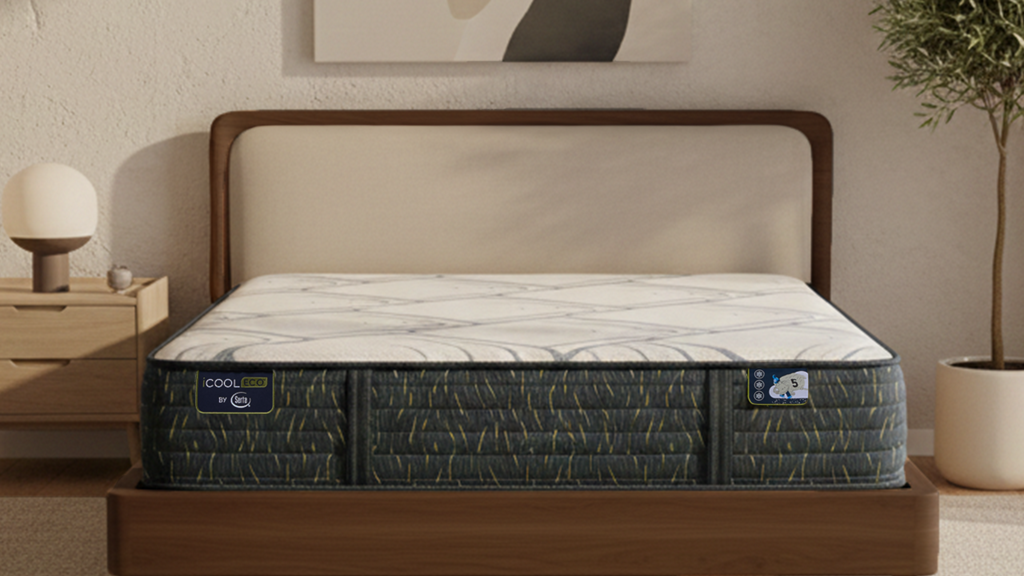
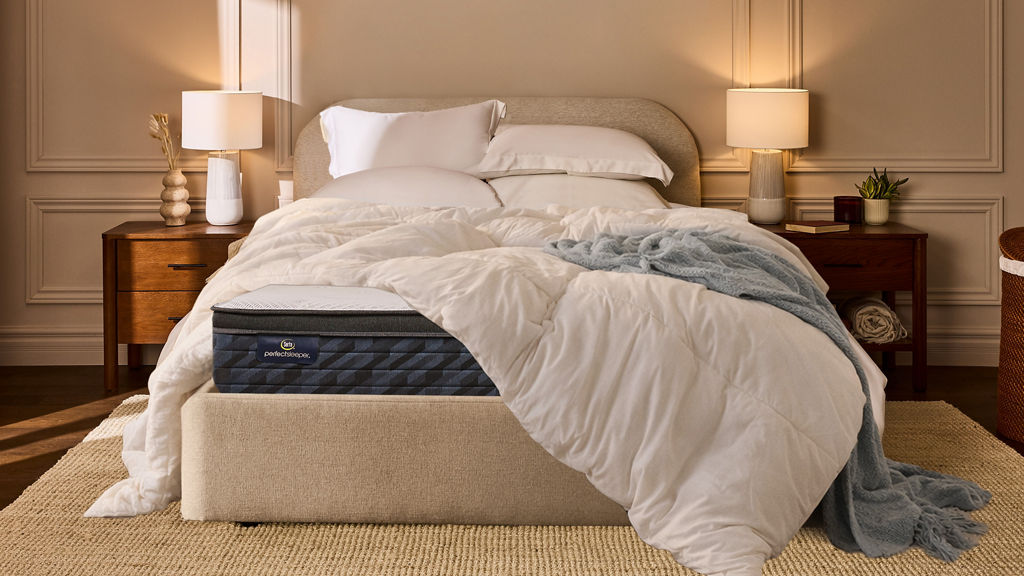
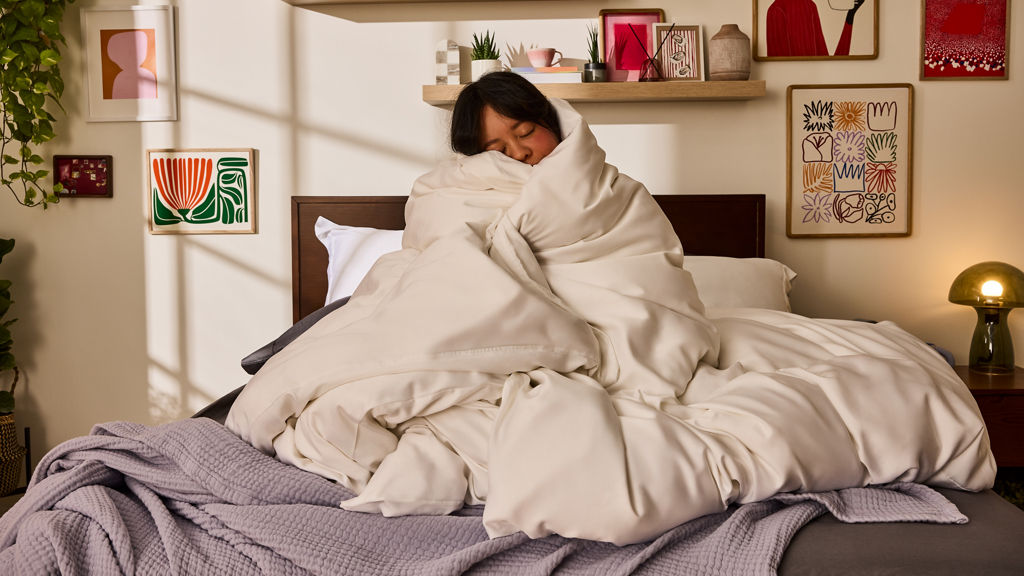
The best sleep setup for hot sleepers combines cooling materials and breathable layers across your entire bed, not just your sheets.
Creating a complete cooling sleep environment can help you stay cool, dry, and comfortable throughout the night.

How Your Bed Might Be the Problem
Here’s what most people don’t realize:
Your bed is your closest environment for 7–8 hours every night.
So if something is off—too warm, not supportive, not breathable—it directly affects your sleep cycles.
Many people think they’re just “bad sleepers”, but in reality, their sleep setup is working against them.
How to Improve Your Sleep Naturally
You don’t always need drastic changes. Most of the time, it’s about fixing what’s quietly disrupting your sleep.
Fix Temperature First, Biggest Impact
If you’re waking up tired, overheating is often part of the issue.
Choose breathable bedding →
helps reduce trapped heat and moisture.Avoid heavy layers →
keeps your sleep surface lighter and more comfortable.Consider upgrading to a cooling mattress →
helps reduce heat retention and improve airflow.
Cooling mattresses are designed to actively reduce heat retention and improve airflow—helping your body stay in deeper sleep for longer.
Improve Support and Alignment
Your body needs to fully relax to reach deep sleep.
A supportive mattress reduces pressure points
The right pillow keeps your neck aligned
Even a small misalignment can affect how rested you feel.
Reduce Nighttime Disruptions
The less your sleep is interrupted, the better your recovery.
This includes:
Motion from a partner
Temperature fluctuations
Discomfort
How to Build a Better Sleep Setup
If you’re waking up tired, this is where things really start to change.
1. Start with Breathable Bedding
If your bed feels warm or heavy, your bedding could be trapping heat.
Look for:
Bamboo or moisture-wicking fabrics
Lightweight, breathable materials
This helps regulate temperature and improve comfort throughout the night.
2. Upgrade Your Pillow, Faster Impact Than You Think
If your pillow isn’t supporting you properly, it can quietly affect your sleep.
Signs:
You wake up stiff
You adjust your position often
You feel tension in your neck
A supportive, breathable pillow helps your body relax more fully—leading to deeper sleep.
3. Upgrade Your Mattress, Biggest Transformation
Your mattress has the biggest impact on how well you sleep.
If you’re waking up tired:
Look for cooling mattresses →
if you overheatLook for pressure-relieving support →
if you feel soreLook for low motion transfer →
if you share your bed
With one of the largest selections of mattresses in Canada, Sleep Country offers a wide range of options designed to match how you sleep—not just what you sleep on.
If you’re unsure where to start, speaking with a Sleep Expert can help guide you to the right fit.
4. Adjust Your Sleep Position
Your position affects breathing, comfort, and relaxation.
Adjustable bases allow you to:
Elevate your head slightly
Improve airflow
Reduce pressure
Some smart adjustable bases can even track:
Air quality
Humidity
Temperature
Helping you better understand what might be affecting your sleep.
5. Think of It as a System
Better sleep doesn’t come from one product—it comes from how everything works together.
Bedding controls temperature
Pillows support alignment
Mattresses support your body
Adjustable bases optimize positioning
When everything is aligned, your sleep becomes deeper—and more restorative.
Frequently Asked Questions
Why am I still tired after 8 hours of sleep?
Getting 8 hours of sleep doesn’t always mean you’re getting quality sleep. If your sleep is interrupted—even slightly—your body may not reach the deeper stages needed for proper recovery.
Things like overheating, discomfort, or movement during the night can keep you in lighter sleep without you fully realizing it.
Improving your sleep environment—like choosing breathable bedding, upgrading your mattress, or reducing motion disturbance—can help you get more restorative sleep.
Is 8 hours of sleep enough to feel rested?
For many people, 8 hours is a good target—but it’s not just about time, it’s about how well you sleep during those hours.
If your sleep is fragmented or uncomfortable, even a full night can leave you feeling tired.
A setup that supports proper alignment, regulates temperature, and minimizes disruptions can make those 8 hours feel much more effective.
Can my mattress affect how tired I feel?
Yes—more than most people think. Your mattress plays a major role in how deeply you sleep.
If it:
Traps heat
Lacks proper support
Transfers movement
It can quietly disrupt your sleep cycles throughout the night.
Switching to a mattress that offers cooling features, proper support, and low motion transfer can help improve sleep quality and how rested you feel in the morning.
Does sleeping with a partner affect sleep quality?
It can—especially if your mattress doesn’t absorb movement well.
When your partner shifts or gets up during the night, that movement can travel across the bed and interrupt your sleep—even if you don’t fully wake up.
Choosing a mattress designed with low motion transfer, like memory foam or hybrid options, can help reduce these disturbances and allow both of you to sleep more soundly.
Can overheating cause me to feel tired even after sleeping?
Absolutely. Your body needs to stay cool to fall asleep and remain in deeper sleep stages.
If your bedding or mattress traps heat, it can lead to:
Restlessness
Night waking
Lighter sleep
Switching to breathable bedding and considering a cooling mattress can help regulate your temperature and improve overall sleep quality.
Does my pillow really make a difference in how I sleep?
Yes—and it’s often overlooked.
Your pillow supports your head and neck, and if it’s not doing that properly, your body may stay slightly tense throughout the night.
This can prevent you from fully relaxing into deeper sleep.
A pillow that matches your sleep position and offers proper support and breathability can make a noticeable difference—sometimes even faster than changing your mattress.
Can sleep position affect how rested I feel?
It can. Your sleep position affects:
Breathing
Pressure points
Overall comfort
If you’re not in a position that allows your body to fully relax, your sleep can feel lighter and less restorative.
Adjustable bases can help you find a more comfortable position by allowing you to elevate your head or upper body—supporting better airflow and relaxation throughout the night.
What’s the best way to improve sleep naturally without medication?
Start with your environment.
Focus on:
Keeping your sleep surface cool and breathable
Making sure your mattress and pillow support your body properly
Reducing disruptions like movement or discomfort
Often, improving your sleep setup—rather than adding new routines—is the most effective and natural way to sleep better.
Wake Up Feeling Rested Again
If you’re waking up tired after 8 hours, your body is telling you something.
Not that you need more time, but that you need better quality sleep.
The good news? Once you fix what’s disrupting your sleep—whether it’s heat, support, or motion—you’ll start to feel the difference.
And when your sleep improves, everything else does too.